
PROJECT #2
From Print to Screen!

An Evolution Story
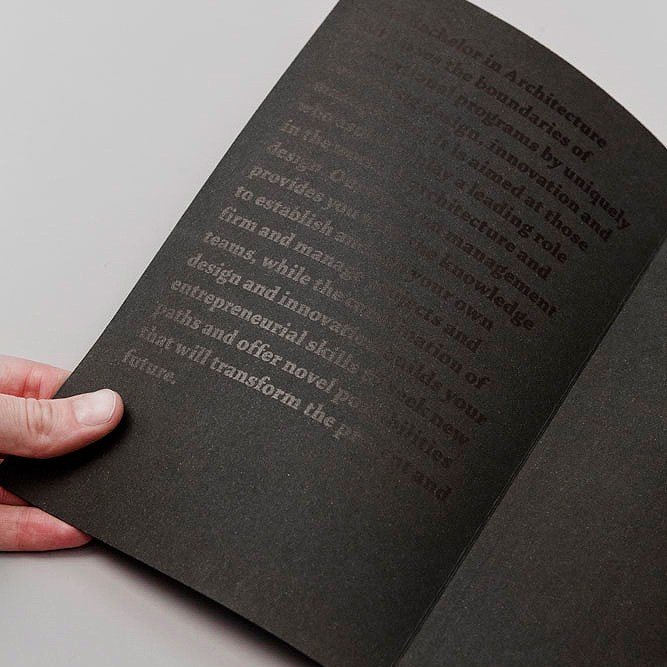
2013 – The First Brochures and Prospectuses
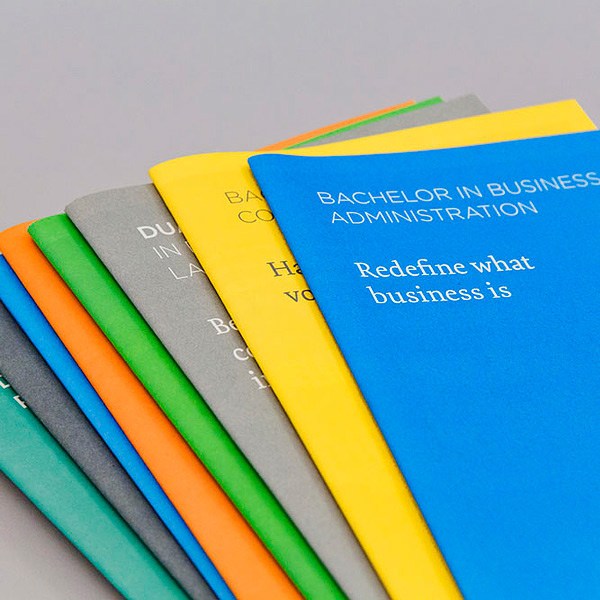
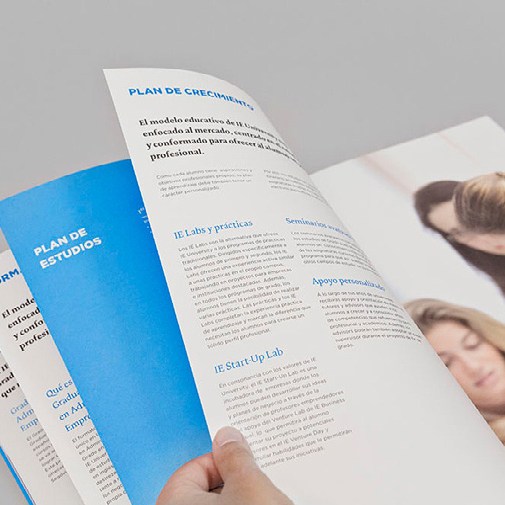
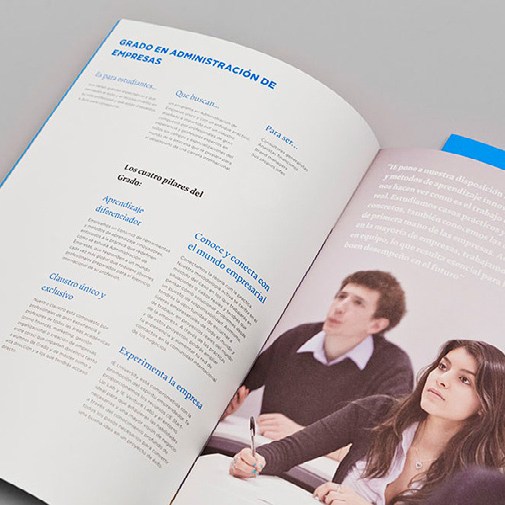
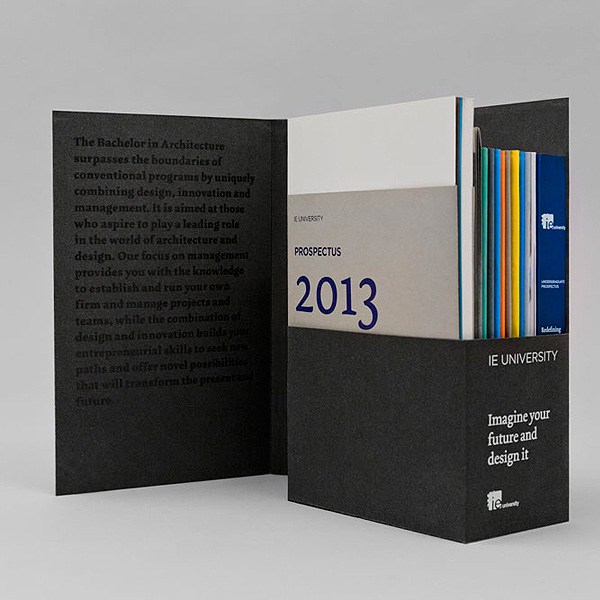
The evolution of a university can be traced through the progression of its brochures. In 2013, we released our initial brochures, which primarily focused on academic content and employed distinct color schemes for each degree program. These brochures were subsequently consolidated into a single folder known as the prospectus, which served as a precursor to the comprehensive general brochure.
2015 – Editorial Redesign
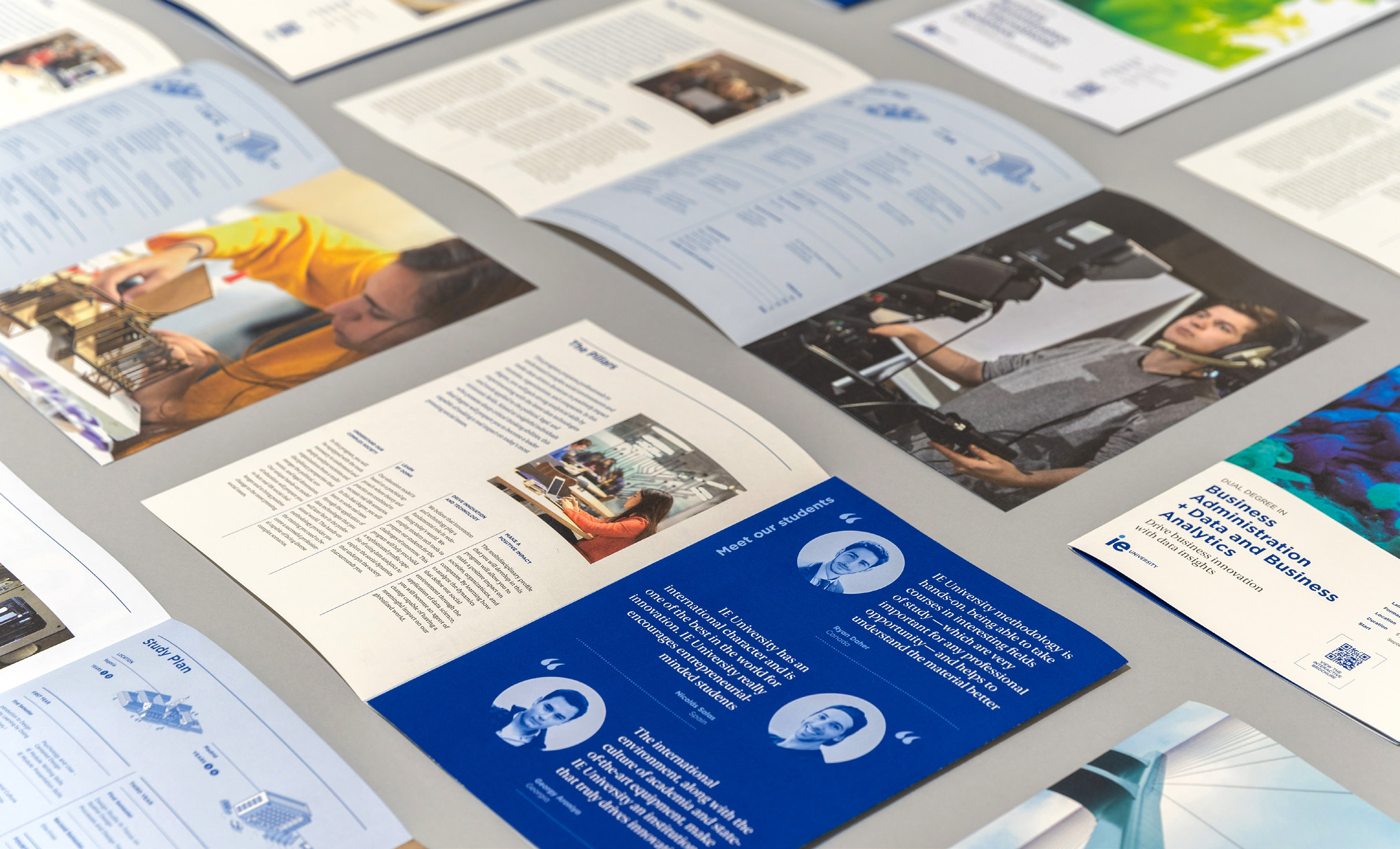
Through ongoing feedback from students and internal teams, we have consistently updated and optimized our materials over the years. A significant change occurred in 2015 when the prospectus was transformed to include separate brochures for each degree program. This restructuring not only reduced the size of the materials but also added a human element, empowering students and positioning them as the central figures.
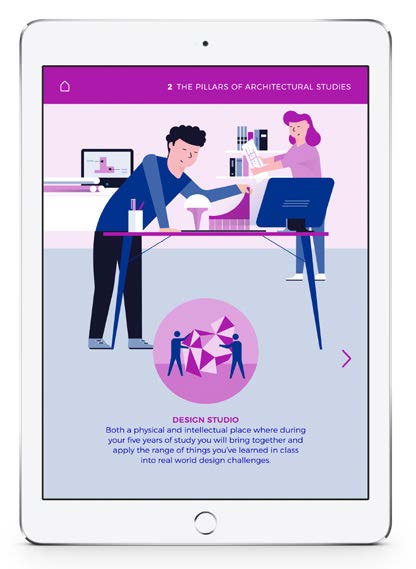
Continuous benchmarking, involving the analysis of effective strategies and shortcomings in materials used by other universities and in sales contexts, has allowed us to embrace innovation in the content we offer. We introduced illustrations and infographics, resulting in a more visually appealing and easily digestible brochure for students, enhancing their overall experience.
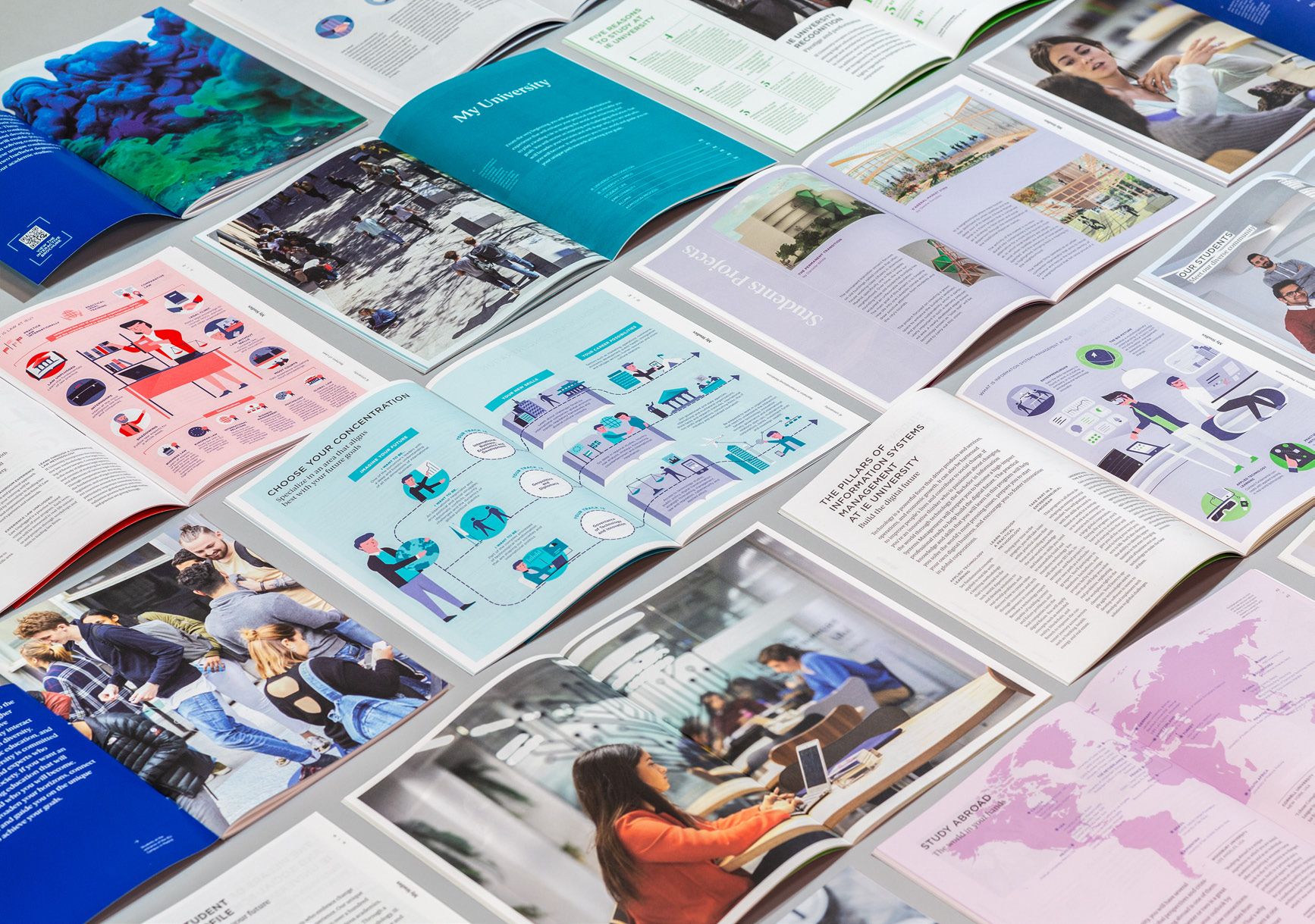
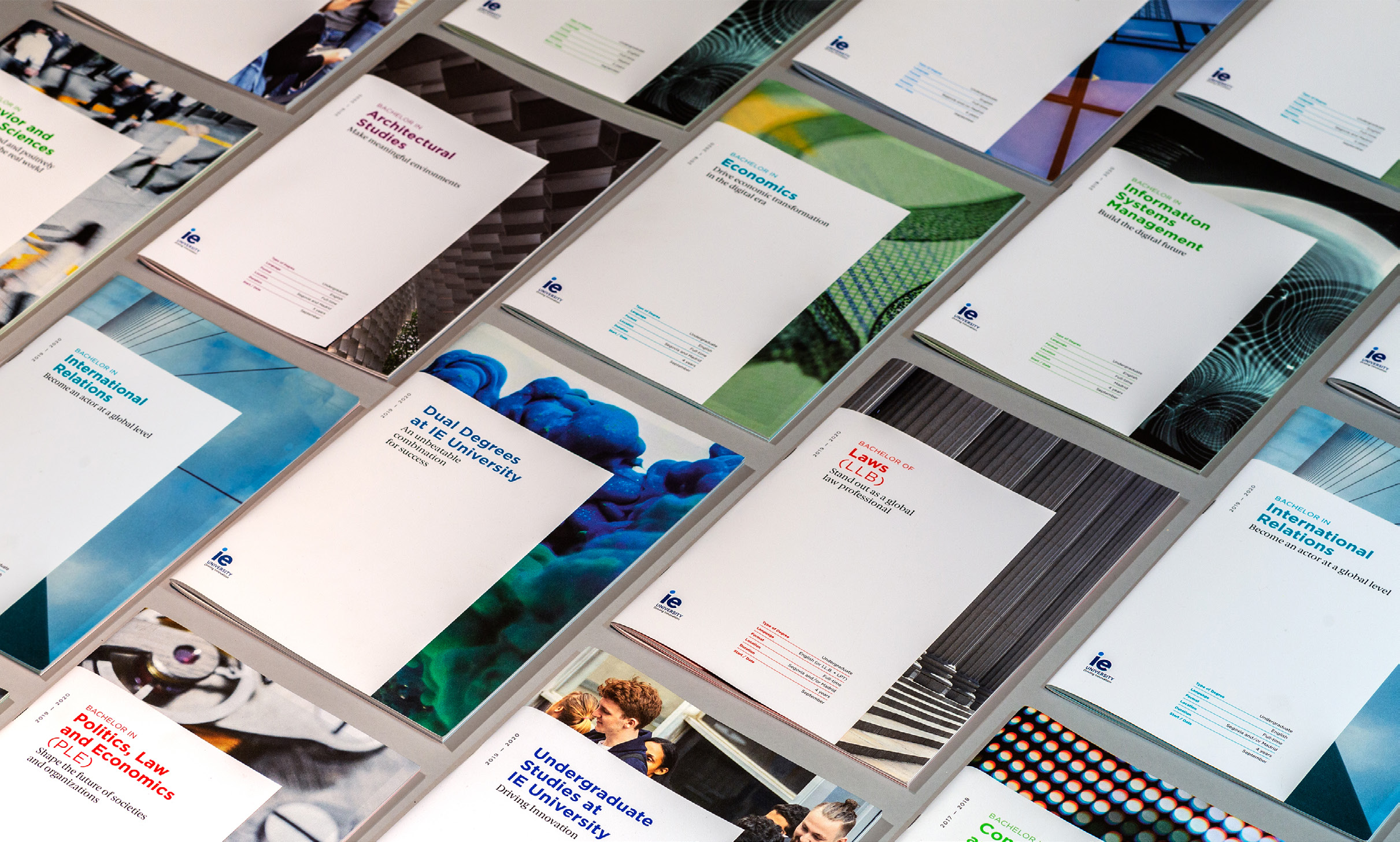

These brochures serve as a testament to the evolution of content over the past five years, showcasing a range of elements such as student projects, career plan infographics, and much more. They reflect our commitment to providing comprehensive and relevant information that aligns with the changing needs and aspirations of our students.
2018 – Digital Redesign
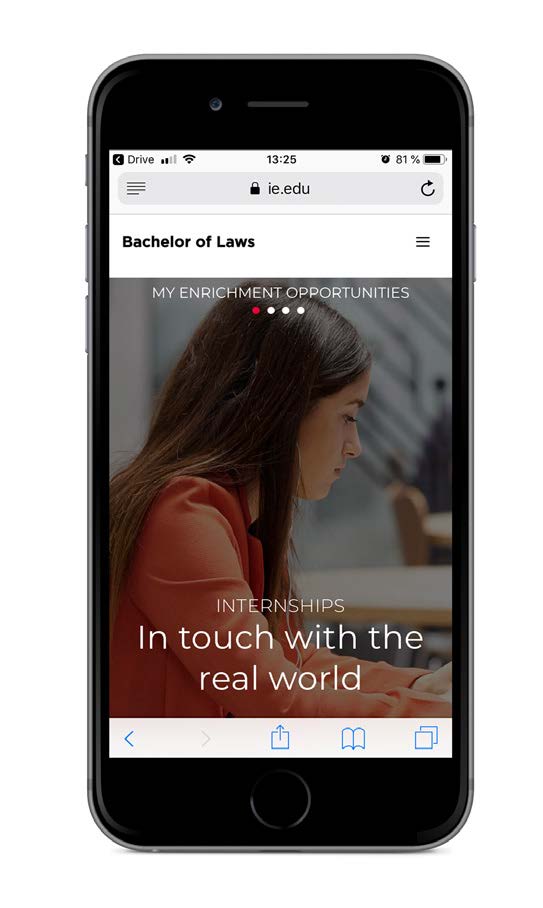
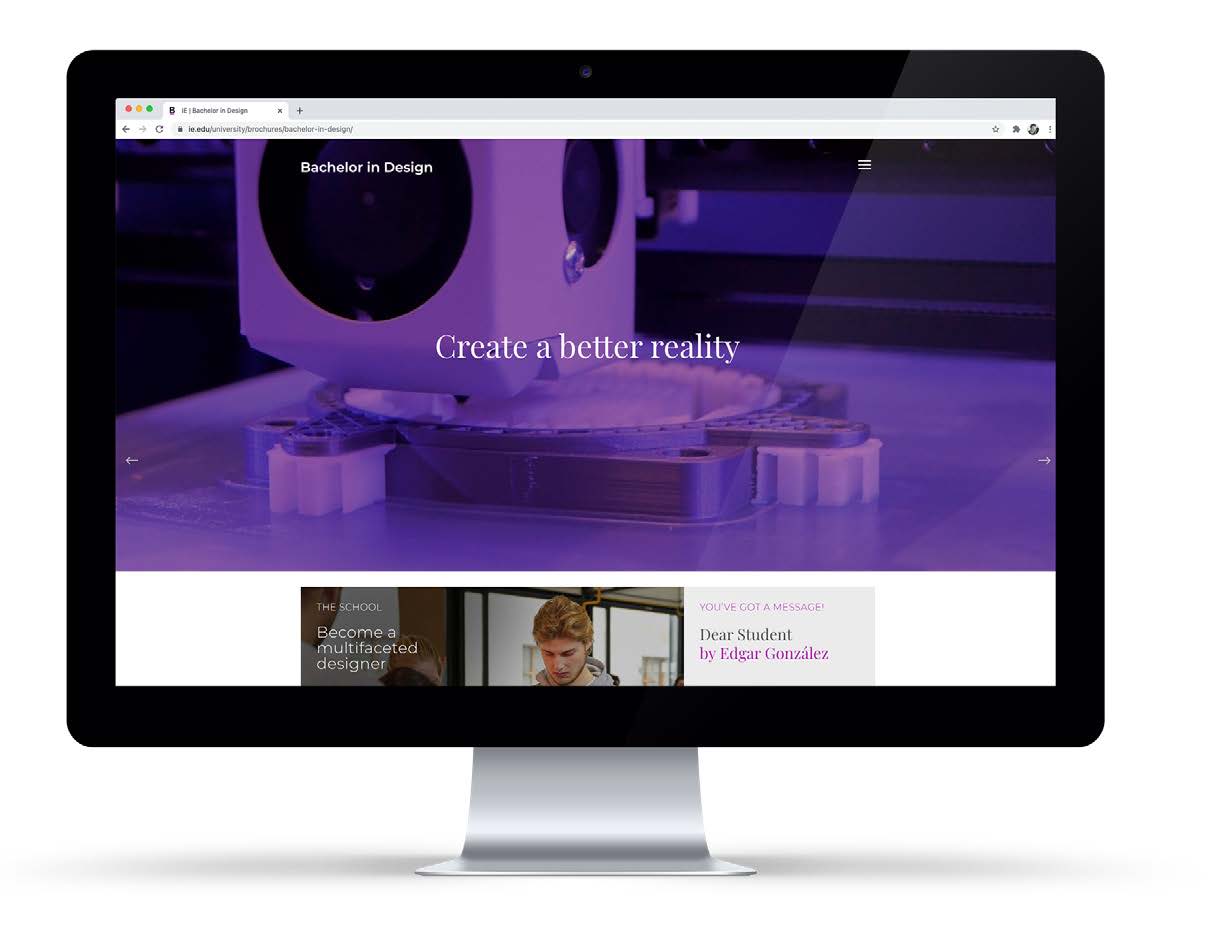
Recognizing the evolving needs and preferences of our clients, we naturally transitioned our materials to a web format. This involved adapting all degree brochures into a WordPress version, allowing for enhanced accessibility and interactivity. This shift also provided opportunities to incorporate audiovisual elements, including videos and animations, which were continually updated and expanded over time.
The migration to the WordPress CMS necessitated special adaptations to ensure that the brochures were responsive across various platforms, including desktop, mobile, and other formats. This ensured that users could seamlessly access the content and navigate through the brochures regardless of the device they were using.
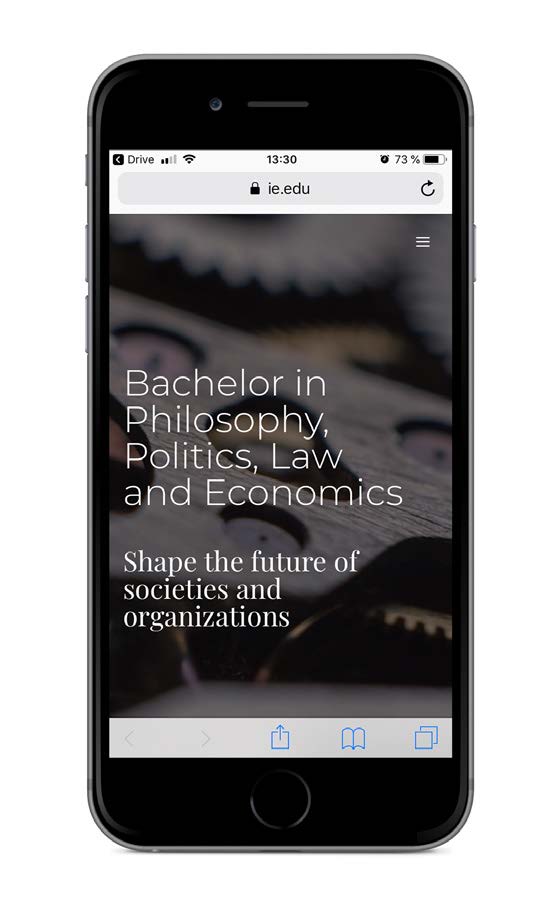
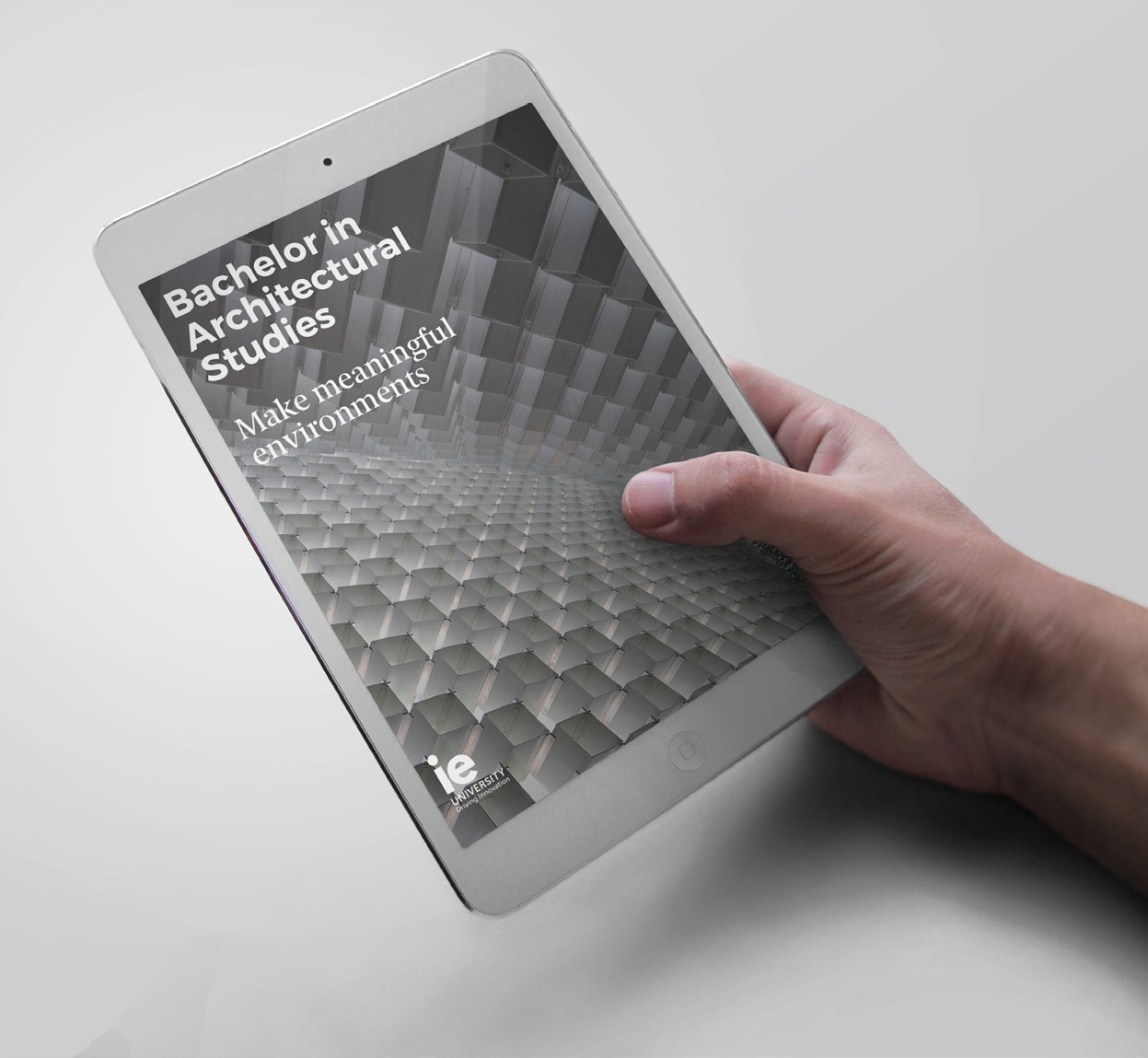
To cater to the specific needs of university fairs and events where Internet access might be limited, we transformed the content into an e-book format with a concise layout. This allowed our sales managers to showcase the key information and highlights of our programs without relying on internet connectivity. The e-book provided a convenient and portable resource that could be easily shared with prospective students and effectively communicated the value and offerings of IE University.
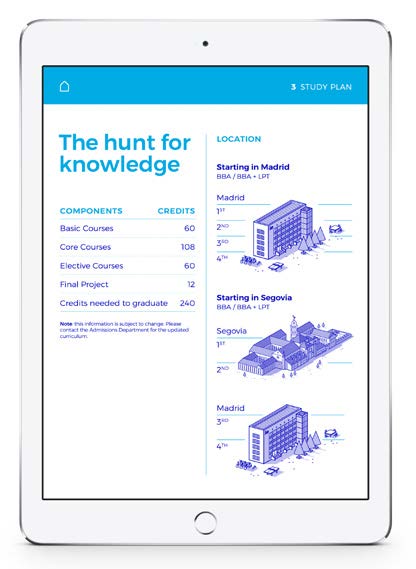


2019 – Fair Brochures
To facilitate the distribution of our brochures to offices located around the world, we created a scaled-down version that summarized the essential academic content. Despite the reduction in size, we ensured that the brochures still captured the authentic voice of our students, maintaining the personalized and engaging approach that resonates with our target audience. This adaptation allowed us to effectively share key information about our programs with international offices and reach a wider audience of prospective students.
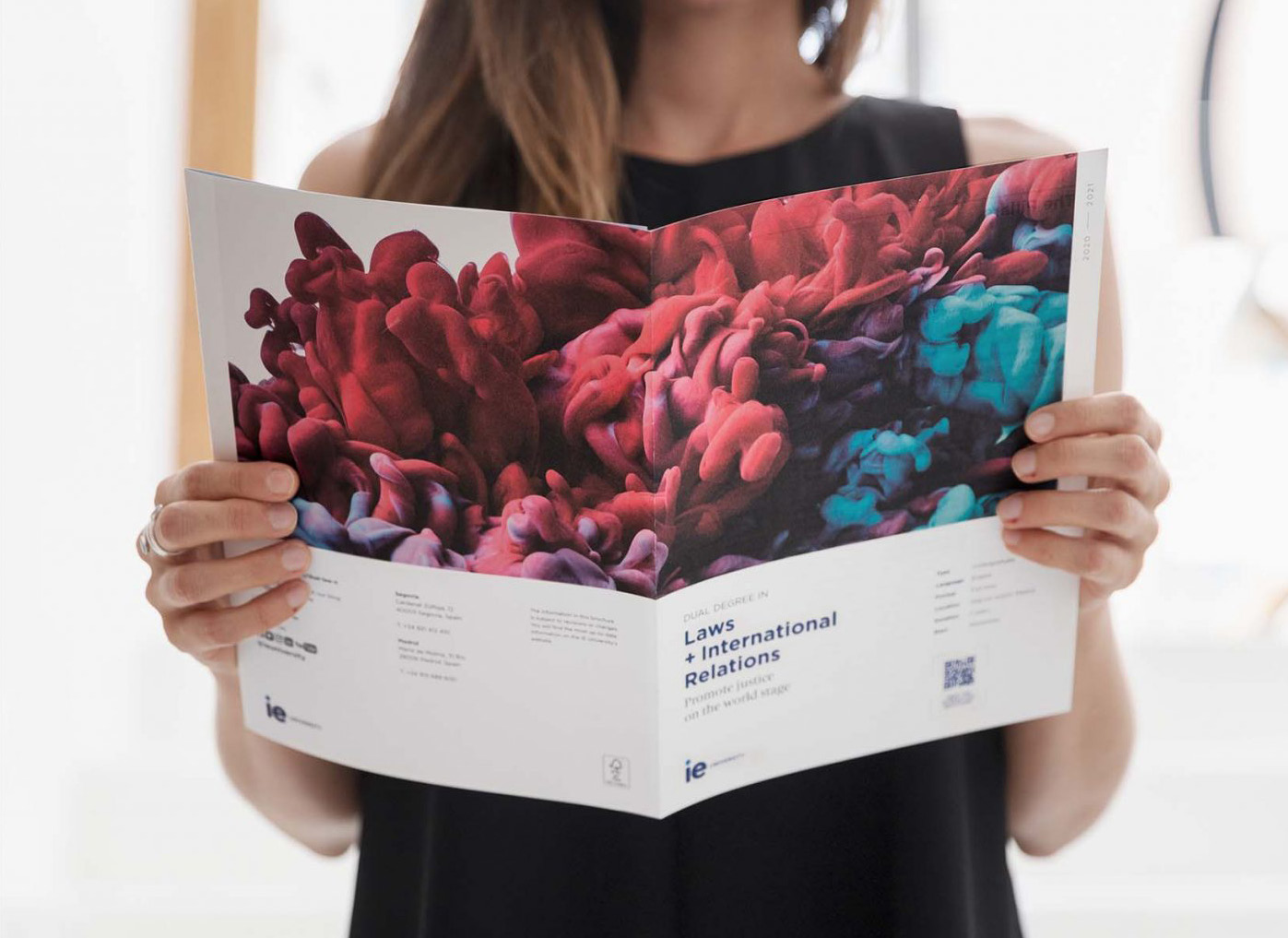
2021 – Paperless: New Digital Brochures
The introduction of our paperless initiative marked a significant shift towards prioritizing digital brochures. Recognizing the ubiquitous presence of smartphones in today’s world, we redefined our strategy to consolidate all versions of our brochures into a unified digital format. This new approach, optimized for both desktop and mobile devices, enabled us to effectively engage with our target audience and streamline the process of updating our materials.
With the digitization of our brochures, our focus shifted towards preserving the existing content while adapting it to align with the evolving consumption habits and needs of the market. The redesign process centered around leveraging digital platforms and technologies to enhance accessibility and user experience. The digital brochure can now be easily accessed and read across various platforms, ensuring seamless engagement for prospective students. Additionally, we provided a downloadable PDF version, granting students and parents the flexibility to save, print, or retain a copy as desired.
By embracing digitalization and evolving our brochure strategy, we have not only embraced the modern means of communication but also embraced sustainability by reducing our reliance on printed materials. This transition has allowed us to deliver our content effectively, efficiently, and in a manner that aligns with the preferences and convenience of our target audience.
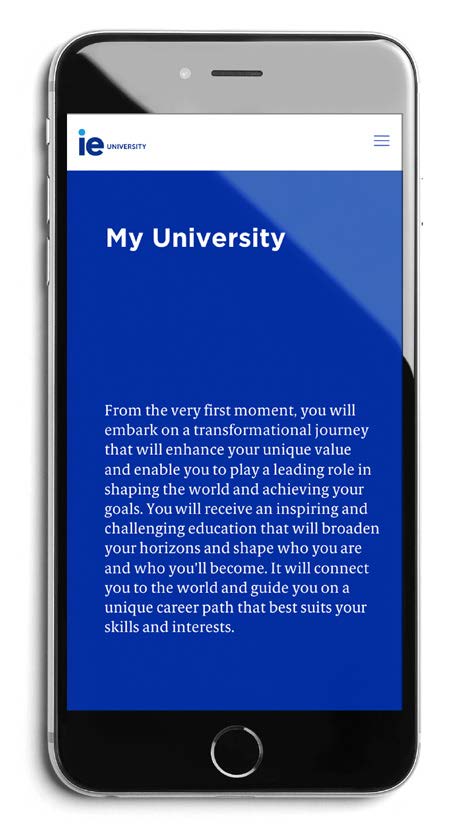
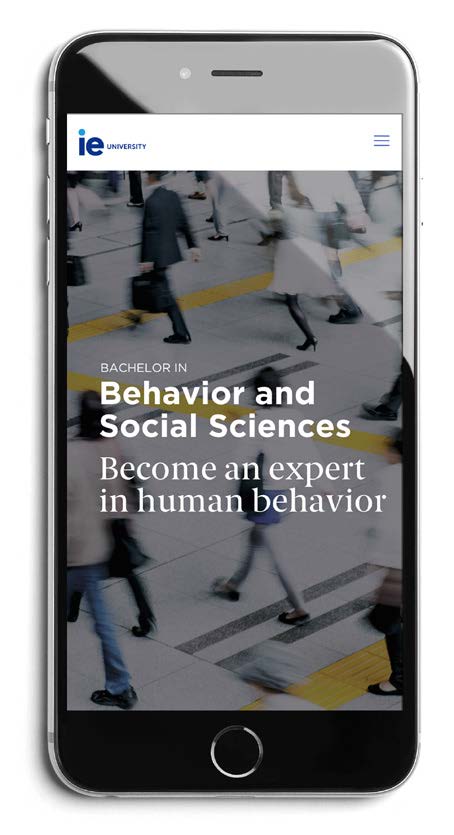
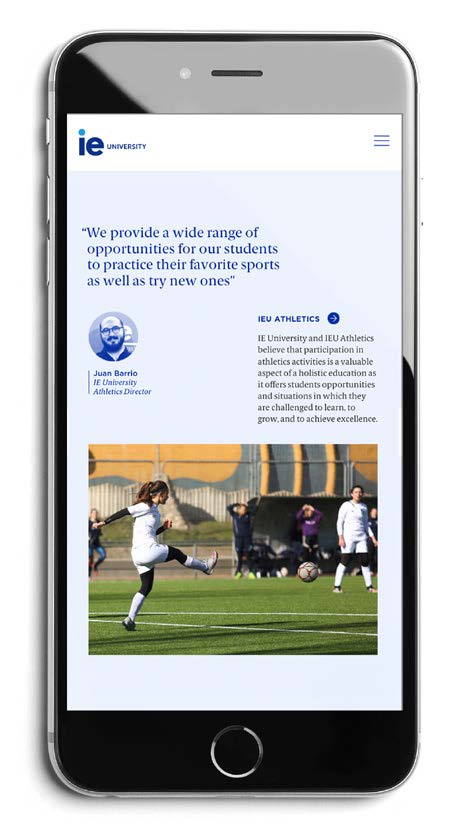

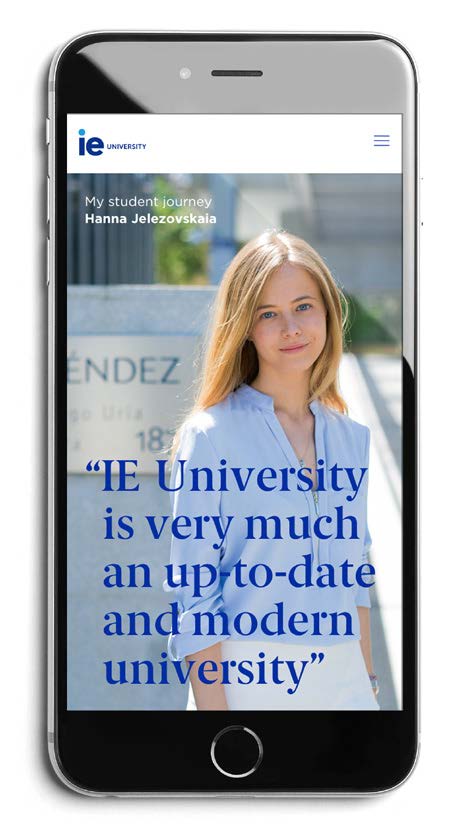
Having a single responsive version means materials will always be up-todate, and available anytime, anywhere in the world.
The implementation of these new versions of our brochures has brought about several notable achievements:
- Universal Compatibility: The introduction of a single version has enabled our brochures to adapt seamlessly to various display platforms, ensuring accessibility across different devices.
- Targeted Design: By focusing on the needs and preferences of our target audience, specifically Generation Z, we have created designs that resonate with them and align with the devices they commonly use.
- Enhanced Accessibility: The digital tools incorporated in our brochures are accessible on any device, eliminating the need for multiple formats and ensuring a consistent user experience.
- Consistent Branding: The use of a universal format for our brochures helps maintain continuity in our marketing approach, reinforcing our brand identity across different channels and touchpoints.
- Sustainability Alignment: The shift towards digital brochures aligns with the sustainability strategy of IE University, reducing our reliance on printed materials and promoting environmental responsibility.
- Streamlined Updates: The digital format allows for quick and efficient updates, ensuring that outdated brochures are no longer distributed across various locations.
- Integration and Measurement: The integration of our brochures into a unified web ecosystem enables us to measure performance, track user behavior and traffic, and facilitate innovation and upgrade cycles, ensuring continuous improvement and effectiveness in our marketing efforts.
Overall, these achievements demonstrate our commitment to digital transformation, meeting the requirements of various events, schools, and our own sustainability goals, while simultaneously enhancing user experience, agility, and performance measurement.
Research of How Potential Undergraduate Students Consume Commercial and Informative University Content
The digital revolution has significantly reshaped content consumption preferences and habits, particularly among Gen Z. The widespread use of mobile phones and screens has revolutionized how teenagers search, navigate, read, and process information. For IE University, this presented a crucial challenge: How can we adapt our commercial materials to make a maximum impact in a digital-first world?
This project represents the culmination of many years of constant reinvention, iteration, and evolution. Through ongoing research and a deep understanding of our customers’ needs, habits, and behaviors over the past decade, we have transformed IE University’s materials from traditional print booklets to fully digital and responsive brochures optimized for seamless navigation across all screen sizes.
Here’s a Summary of What We Did:
1. PERSONAS & PROBLEMS SCENARIOS
- Drafted interview guides.
- Drafted design thinking workshop guide.
- Conducted interviews
- Drafted personas and problems scenarios.
2. PROPOSITION DESIGN & TESTING
- Drafted pivotal hypotheses.
- Developed assumptions.
- Created brochures MVPs.
- Defined metrics for measurement and success.
- Experiment design.
3. SOFTWARE DESIGN
& PROTOTYPING
- Storyboarded key customer journeys.
- Drafted user stories and story map.
- Created prototypes for consumption and navigation testing.
4. USABILITY TESTING & INTERFACE ITERATION
- Designed and validated usability.
- Created interactive. brochure prototype.
- Conducted usability test with students.
- Validated prototype after tests.
- Brochure development and deployment.
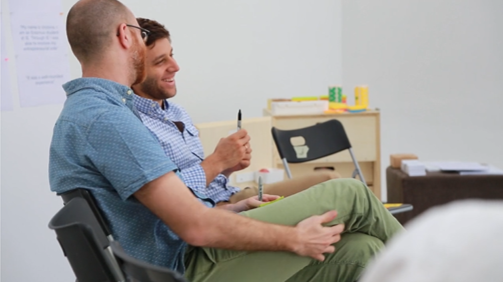
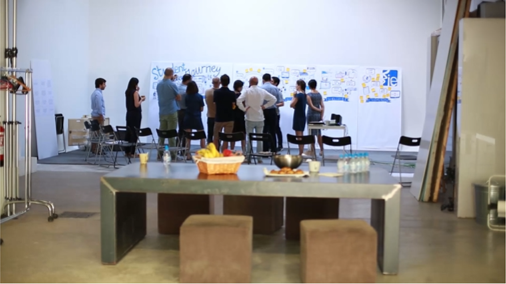
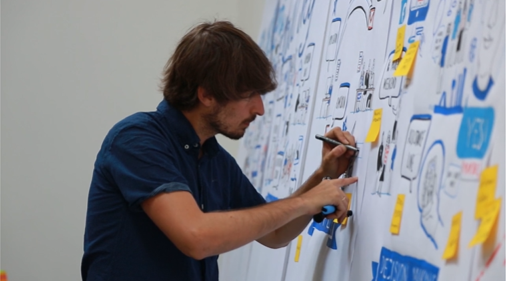
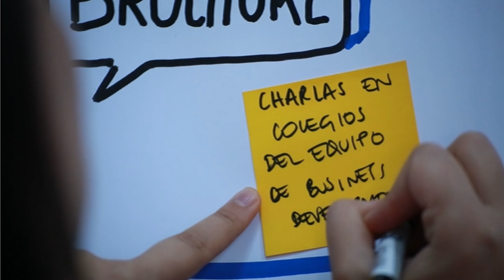
Design Thinking Workshop:


Personas and Problem Scenarios:
We focused on studying how potential Gen Z students consumed university content, specifically brochures. These students are in the process of researching for university and program information, and we wanted to know in depth how did they do it, where, and when. After conducting in-depth interviews and a design thinking workshop, we identified the following focal/pain points:
- “I don’t like to read PDF files on my mobile phone.”
- “I like to consume information and content in diverse formats, not just text.”
- “Traditioanl brochures are boring.”
- “My parents read brochures, I prefer websites.”
- “I prefer videos and images over text.”
- “I like infographics, they are easy to understand.”
Interview questions examples:
Because our objective and area of inquiry were broad, we kept initial questions general, and then began narrowing them down as we progressed both with the interviews:
- What type of content do you spend more time-consuming?
- What type of content would you like universities to offer?
- How do you research for your future university/program?
- What type of information would you expect universities to share?
- Do you think that university/program brochures are an important source of information?
- …
- ..
- .
| PROBLEM SCENARIO | ALTERNATIVE | VALUE PROPOSITION |
| Harold the High School student doesn’t like to read traditional brochures. | He could download traditional PDF brochure versions, but these are plain, complicated to read in mobile screen sizes, and are not interactive. | IE University’s digital brochures offer an immersive navigation experience on every screen size. |
| Harold the High School student doesn’t like text, he prefers to consume rich content like videos, infographics, and testimonials. | He can try to find this type of information across multiple platforms like the university website, YouTube channel, and social media, among others. | IE University’s digital brochures are full of interactive content to offer a unique consumption experience in which the current student is the protagonist of the story. |
The new digital brochures are an essential asset for IE University’s marketing and commercial efforts. They are featured across the whole digital ecosystem on websites, landing pages, blog posts, emails, etc. Dashboards were created to continuously measure behavior and patterns to iterate and optimize UX, content, and navigation.
User Stories:
We anchored our work on user stories like this:
EPIC STORY:
- As Harold the High School student, I want to receive relevant and engaging information about IE University so that I can learn more about the institution and its programs.
CHILD STORIES:
- As a high school student, Harold wants to receive information in a format that he likes to consume so that he enjoys the experience.
- As a high school student, Harold wishes to review the information with his parents so that they can analyze it together.
- As a high school student, Harold wants to learn about the university from many angles so that he can research the university from diverse perspectives.
- As a high school student, Harold wants to consume information on his cell phone so that he doesn’t have to use a computer to do so.
- As a high school student, Harlod wants to have easy access to information so that he can go back to it whenever he wants to.
What We Built:
Results Summary:
- During the period from January 2021 to November 2022, the digital brochures of IE University achieved an impressive milestone of more than 5 million pageviews.
- Mobile devices accounted for 56% of the total brochure consumption, indicating the increasing preference for mobile browsing among users.
- Following the successful launch of the digital brochure, this format has been extended to cover all programs offered by IE University. This standardized approach ensures a consistent user experience across different programs.
- The data analysis revealed that potential candidates who engage with the brochures are four times more likely to initiate the online application process, highlighting the influential role of the brochures in driving applicant interest and engagement.
- Data also indicated that over 60% of enrolled students had utilized the digital brochures at some point during their application process. This demonstrates the brochures’ effectiveness in providing valuable information and influencing students’ decision-making throughout their journey to enrollment.
 Gabriel Rodriguez